About Sarah
A calm, steady presence for neurodivergent women
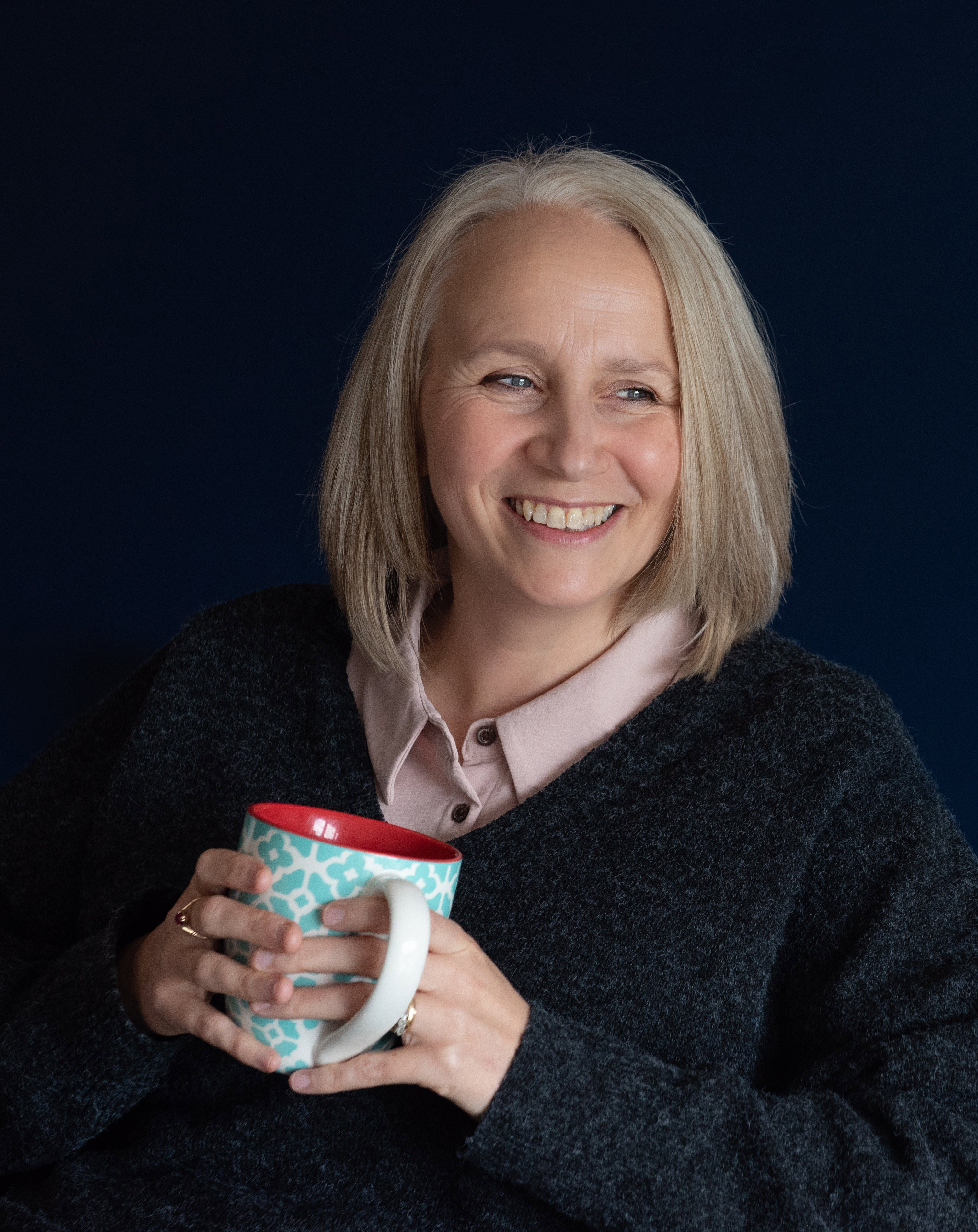
I'm Sarah, a BACP-registered therapist specialising in supporting autistic, ADHD and AuDHD women.
I work with women who are late-identified, newly diagnosed, self-identifying, questioning whether they may be neurodivergent, or simply trying to understand themselves more deeply after years of feeling different, overwhelmed or exhausted. Many of the women who come to me have spent years coping, masking and pushing through. They often arrive feeling burnt out, disconnected from themselves, struggling with self-criticism, or unsure how to continue living in ways that no longer feel sustainable.
My role isn't simply to help you understand neurodivergence. I help neurodivergent women explore the emotional and psychological impact of living in a world that wasn't designed with their needs in mind. Together, we make sense of your experiences, untangle old beliefs about yourself, and begin building a life that works with your brain rather than against it.
Whether you're navigating burnout, identity changes, relationship difficulties, anxiety, peri-menopause, life transitions or a recent realisation that you may be autistic or ADHD, therapy offers a space where you don't have to mask, explain yourself or hold everything together alone.
What I help neurodivergent women with
Many of the women I support are navigating:
- Late-discovery autism, ADHD or AuDHD
- Exploring diagnosis or self-identification
- Neurodivergent burnout and chronic exhaustion
- Masking and loss of identity
- Anxiety and overwhelm
- Self-criticism, shame and perfectionism
- Boundaries and people-pleasing
- Relationships and communication
- Parenting pressures
- Career changes and work-related stress
- Peri-menopause and menopause
- Grief, loss and life transitions
- Learning how to work with their nervous system rather than against it
Whilst neurodivergence is always understood and held with care, therapy isn't limited to talking about autism or ADHD. Your neurodivergence matters, but our work is centred on you as a whole person and whatever feels most important in your life right now.
Why I specialise in supporting neurodivergent women
I believe neurodivergent people deserve therapeutic spaces where they don't have to translate themselves, minimise their needs or work hard to be understood. Spaces where sensory sensitivities, emotional intensity, processing differences and communication styles are seen as valid rather than something that needs fixing.
In both my professional and lived experience, many neurodivergent adults receive a diagnosis or come to recognise their neurodivergence, only to discover that understanding is just the beginning. They finally have an explanation for their experiences, yet may still be carrying years of self-doubt, grief, burnout, anxiety, self-criticism or confusion about who they really are beneath years of adaptation.
Navigating Life Therapy was created to help bridge that gap. It offers a space where neurodivergent women can move beyond awareness and begin integrating that understanding into their everyday lives, relationships, wellbeing and sense of self.
My approach
My approach is relational, neurodivergent-affirming and grounded in both professional training and lived experience. I pay close attention to your sensory world, processing style, communication preferences and nervous-system needs. Rather than expecting you to adapt to therapy, I aim to create a therapeutic space that adapts to you.
Clients often describe therapy with me as:
- Calm and unhurried
- Deeply validating
- Emotionally spacious
- Grounding and regulating
- Insightful and compassionate
- A place where they don't need to mask
I work gently and collaboratively, allowing us to explore difficult experiences at a pace that feels manageable and supportive. My goal is not to help you become a different person, it's to help you understand, accept and support the person you already are.
My professional background and experience
I hold a Level 7 Postgraduate Diploma in Humanistic Counselling (Distinction) and am a registered member of the British Association for Counselling and Psychotherapy (BACP).
Before training as a therapist, I completed a BA (Hons) degree in Education for Children and Young People with Special Educational Needs and worked in schools. Looking back, my interest in neurodiversity, difference and supporting people to thrive in ways that work for them has been present throughout my professional life.
Over time, my therapy practice has naturally evolved towards supporting neurodivergent women. Today, the majority of my client work focuses on helping autistic, ADHD and AuDHD women understand the emotional impact of being neurodivergent and build lives that feel more sustainable, authentic and compassionate.
Qualifications and professional development
- Level 7 Postgraduate Diploma in Humanistic Counselling (Distinction), York St John University
- BA (Hons) Education for Children and Young People with Special Educational Needs (First Class Honours), York St John
- Registered Member of the British Association for Counselling and Psychotherapy (BACP)
- Level 2 Certificate in Understanding Autism
- Additional training in autistic masking, late-identified autism, sensory processing and neurodivergent wellbeing
- Ongoing professional development in neurodivergence, trauma-informed practice, nervous system regulation, anxiety, depression and relational therapy
- Enhanced DBS
- Professionally insured
- ICO registered
Beyond therapy
Outside of my work, I enjoy going to the cinema on my own, spending time in nature with my two dogs, and catching up with friends over coffee. My favourite moments are often the simplest ones: singing loudly in the car, laughing with my family, and finding small pockets of calm in everyday life.
These experiences remind me of something I often explore with clients: wellbeing is not always about doing more. Sometimes it's about noticing what genuinely helps us feel more like ourselves.
Taking the next step
If you're looking for a therapist who understands the emotional and psychological impact of being neurodivergent, I'd be pleased to talk with you. I offer a free introductory call where we can explore what you're looking for and whether I'm the right therapist for you. There's no pressure and no expectation to make a decision immediately. We can take it gently.